



2D Animation and Video Editing
Master the essentials of digital animation and video editing. This program unites theory with practical application so you can bring animations to life like never before.
Nanodegree Program
Beginner
38 hours


Udacity school of
Master the skills to build immersive games, animations, and interactive experiences. Learn industry-standard tools like Unreal Engine and Unity through hands-on projects designed by professionals.
Each collection brings related courses together into focused tracks, so you can build expertise with clarity and direction.
Animation and Game Development course collections
As digital media becomes more integral to professional communication, mastering relevant creative skills is essential. This collection equips students with career-focused expertise in animation, multimedia design, and video editing, blending comprehensive theory with hands-on application.
Unite passion with proficiency for a lucrative career in the field of game development and digital products. Learn the technical, practical, and business skills needed to create successful games, products, and services using industry-standard tools. Our expert-led instruction provides innovative advice and collaboration so you're fully prepared to embark on your next venture.
Start building real-world animation and game development skills with these carefully selected courses.

Recommended programs
Master the essentials of digital animation and video editing. This program unites theory with practical application so you can bring animations to life like never before.
Nanodegree Program
Beginner
38 hours
Explore digital art and graphic design with Canva. This comprehensive introductory course covers the tools and theory needed to easily craft eye-catching compositions.
Nanodegree Program
Beginner
33 hours

The ultimate guide to visually appealing and functional web design. This Nanodegree program covers image creation and editing, branding, and UX-friendly web design principles.
Nanodegree Program
Beginner
33 hours

Dive headfirst into the thrilling field of game creation. This Nanodegree program begins with technical fundamentals before guiding students through involved concepts and tools needed to design, develop, and publish games.
Nanodegree Program
Beginner
40 hours
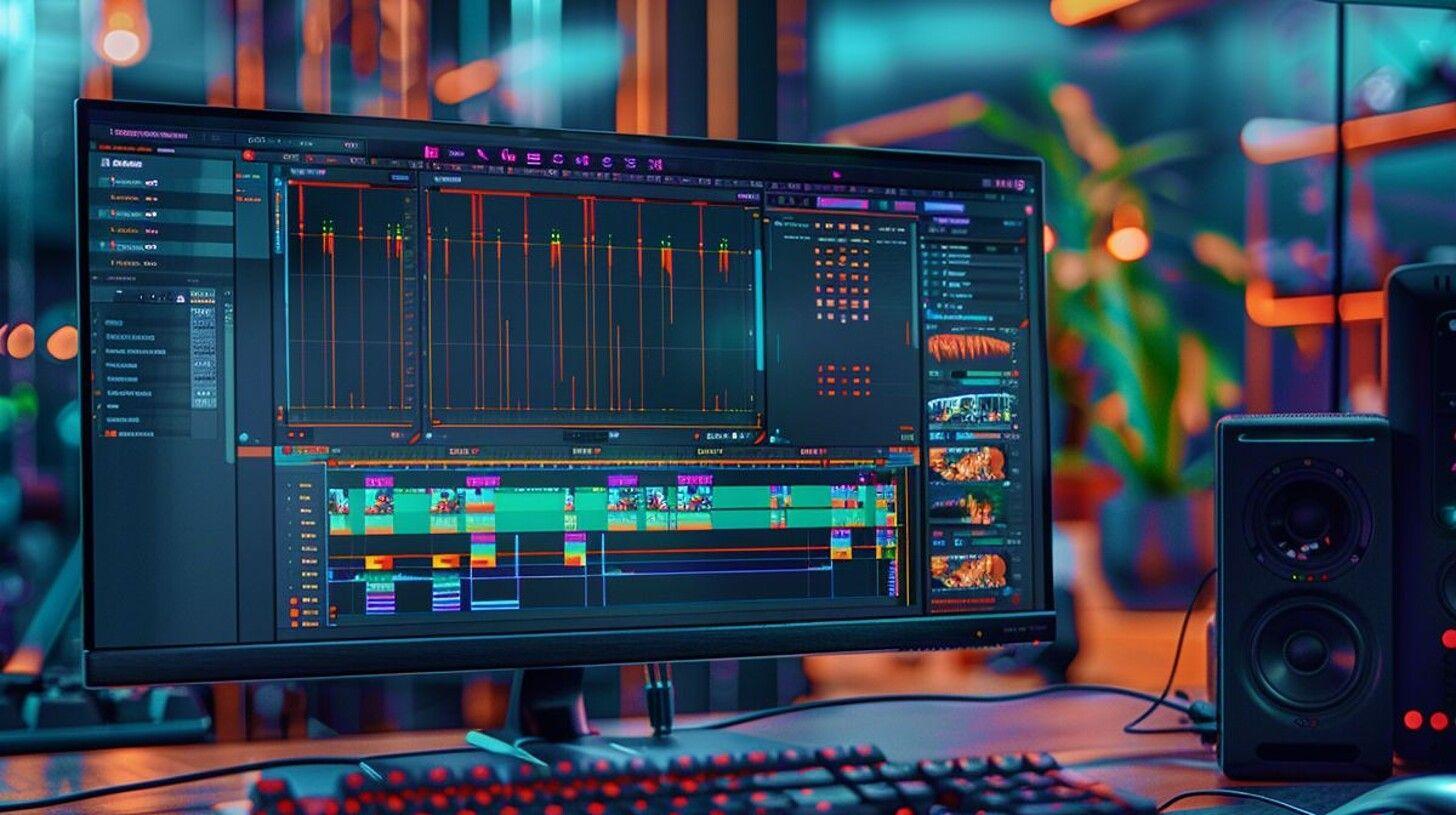
Create captivating animations using powerful open-source software with a straightforward hands-on approach. This introductory course provides a guide to digital animation principles with real-world application in Synfig Studio.
Course
Beginner
9 hours

In this course, you will delve into the captivating field of multimedia, explore various aspects, including image processing, web media, color manipulation, and digital audio.
Course
Beginner
8 hours

Open up exciting game development possibilities by studying technical and creative skills. This course breaks down game development principles, game engines, and project planning for a solid foundation in game design.
Course
Beginner
11 hours

Master the game design details that take games from enjoyable to exceptional. This course improves games' functionality and entertainment value by upgrading scripting, visuals, audio, and more.
Course
Beginner
8 hours
$129k
median U.S. compensation for game-industry professionals
$102k
median U.S. pay for special effects artists and animators
$214B
global games market in 2026, bigger than film and music combined
U.S. figures; salary and demand vary by role, experience, and location.
GDC Festival of Gaming Salary Report, 2026
U.S. BLS OEWS, May 2025 (SOC 27-1014)
Newzoo 2026 Global Games Market Report
See how learning in this school connects to real-world roles, the core skills they require, and where to start building the right expertise.
Career paths
Game Developer

Game Developers build interactive gameplay systems and bring game mechanics to life using modern engines. They work across physics, input systems, and performance to create engaging player experiences.
Key role skills
Implement gameplay mechanics and interactive systems
Work with game engines like Unity or Unreal
Manage physics, input, and real-time performance
Debug, test, and optimize gameplay experiences
3D and Technical Artists model, texture, rig, and animate the characters and environments a game is built from. They bridge art and engineering, keeping assets both visually consistent and performant in engine.
Key role skills
Model, texture, and light 3D assets and environments
Rig and animate characters for real-time playback
Build shaders and materials that hold a visual style
Optimize art assets to hit performance budgets
Game Designers define what a game asks of its players and why it stays compelling. They shape mechanics, levels, and progression, then refine them through prototyping and playtesting.
Key role skills
Design core mechanics, systems, and progression
Prototype and iterate on gameplay ideas quickly
Lay out levels that teach and challenge players
Run playtests and turn feedback into design changes
Real-time and Interactive Developers apply game technology beyond games, building simulations, visualizations, and interactive experiences that respond instantly to their audience.
Key role skills
Build interactive applications on real-time engines
Ship to mobile, web, and immersive platforms
Integrate live data and user input into scenes
Profile and tune rendering for smooth frame rates
These are the learners who did the work, and changed their careers, and sometimes their lives.
Outcomes That Matter

Agentic AI Graduate
“It has been a genuine game-changer for my professional development... the curriculum bridged the gap between theory and practical application.”

Agentic AI Graduate
“The projects very much make you hit the ground running and are fun to implement.”

Agentic AI Beta
“Udacity gave me skills, and support to grow, and most importantly, shifted my mindset and built real momentum in my life and career.”

AI Nanodegree Graduate
“The meticulously designed courses and support from top-tier mentors have enabled FPT Software to build front-line engineers.”

AI for Business Leaders
“I have been leading the Marketing team on a journey to incorporate AI into our workflows... I will be a better leader for having taken this course.”

Agentic AI Graduate
“The course gave me confidence about the future, especially as AI becomes an important part of our work and day-to-day living.”

Agentic AI Graduate
“Udacity helped me expand my scope and embrace agentic AI approaches. I now lead digital innovation projects that integrate both classical and gen AI.”